Engineered in USA Since 1954
BLDC Planetary Gearmotors
High Torque Density, Exceptional Efficiency & Extended Service Life for Demanding OEM Applications.
Get Catalog

Comprehensive Engineering & Sourcing Guide

In modern industrial automation, medical robotics, precision dosing, and portable battery-powered equipment, global procurement managers and motion design engineers face a persistent challenge: how to maximize torque density and operational lifespan within increasingly constrained physical envelopes. As global energy standards tighten and equipment duty cycles become more rigorous, traditional brushed DC and parallel shaft gearmotors frequently hit thermal and mechanical barriers.
This comprehensive technical guide explores BLDC Planetary Gearmotors—the premier motion control solution combining electronic commutation efficiency with the mechanical torque-sharing advantages of coaxial planetary gearheads. Written from the perspective of Molon Motor & Coil Corporation, an American motor pioneer established in 1954, this document addresses key OEM purchasing considerations, technical selection frameworks, market trends, and frequently asked questions mined directly from global sourcing professionals.
A Brushless DC (BLDC) Planetary Gearmotor is an integrated electromechanical drive system that pairs an electronically commutated motor with a coaxial planetary gearbox. Understanding why this specific pairing delivers unmatched power density requires analyzing both the electrical architecture of the BLDC motor and the mechanical kinetics of the planetary gearhead.
Conventional Permanent Magnet DC (PMDC) motors rely on carbon brushes and a mechanical commutator to flip electrical polarity in the rotor coils. This mechanical contact introduces significant drawbacks: continuous friction, electrical arc noise (EMI), carbon dust contamination, and a finite brush lifespan (typically 1,500 to 3,000 hours). In contrast, a BLDC motor utilizes permanent magnets on the rotor (typically high-energy Neodymium-Iron-Boron magnets) and fixed windings on the stator. Commutation is achieved electronically via Hall-effect sensors or sensorless back-EMF algorithms driving external MOSFET/IGBT inverter bridges.
Because heat is generated in the stationary outer stator rather than the internal rotating armature, BLDC motors exhibit superior thermal dissipation. Heat can easily transfer directly through the aluminum or steel motor housing, allowing higher current densities without thermal breakdown of wire insulation. Consequently, BLDC motors achieve efficiency levels between 85% and 92%, compared to 60-75% for brushed equivalents.
While a parallel shaft spur gearbox routes power sequentially from pinion to gear across separate offset shafts, a planetary gearbox distributes the torque load simultaneously across multiple planet gears (typically 3 to 5 gears) that orbit a central sun pinion inside an internal ring gear. This coaxial layout yields several engineering advantages:
| Performance Parameter | BLDC Planetary Gearmotor | PMDC Parallel Shaft | AC Shaded Pole Gearmotor | Stepper Planetary Gearmotor |
|---|---|---|---|---|
| Operational Lifespan | 15,000 – 30,000+ Hours | 2,000 – 4,000 Hours | 5,000 – 10,000 Hours | 10,000 – 20,000 Hours |
| Power Efficiency | 85% – 93% | 65% – 75% | 30% – 45% | 65% – 75% |
| Torque Density (Nm/cm³) | Ultra High (> 0.15 Nm/cm³) | Moderate (0.05 Nm/cm³) | Low (0.02 Nm/cm³) | High (0.10 Nm/cm³) |
| Speed Control Range | Wide (100 to 10,000+ RPM) | Moderate (500 – 3,000 RPM) | Fixed Line Speed | Pulse Dependent / Resonance Risk |
| Audible Noise Level | Low (< 45 dBA available) | Moderate (Brush click/friction) | Low to Moderate (Hum) | Moderate (Microstepping required) |
| Acoustic & EMI Profile | Zero Brush EMI; Shielded | High Brush Arc EMI | Low Line Frequency EMI | Low EMI; High Resonant Noise |
To assist OEM engineering teams during preliminary platform evaluation, Molon has categorized its BLDC planetary drive product offerings into three optimized performance tiers. Each platform can be fully customized with specialized winding turns, gear ratios, shaft geometries, and feedback hardware.
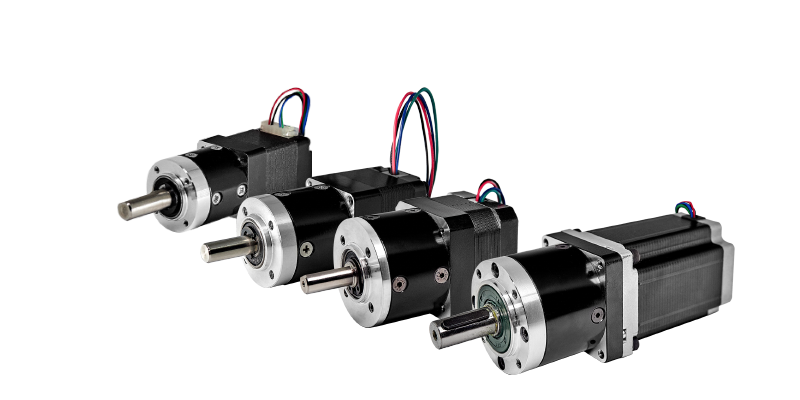
Optimized for surgical tools, peristaltic laboratory pumps, automated IV dosing systems, and compact aerospace actuators where minimal weight and ultra-low noise are mandatory.
Get Catalog →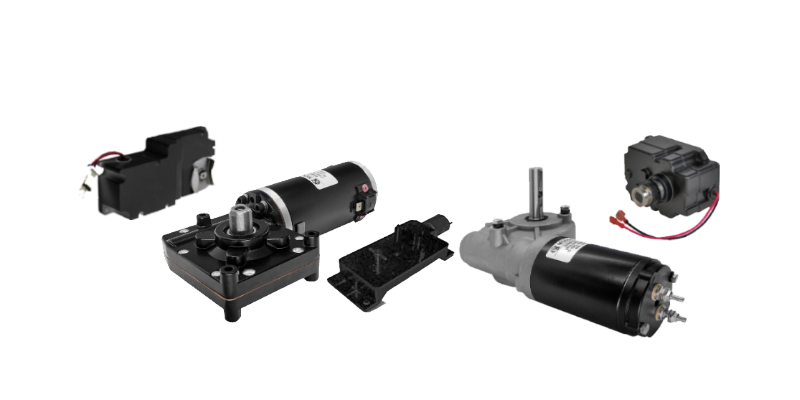
Designed for automated guided vehicles (AGVs), warehouse robotics, commercial food processing, motorized valves, and heavy-duty agricultural dispensing systems.
Get Catalog →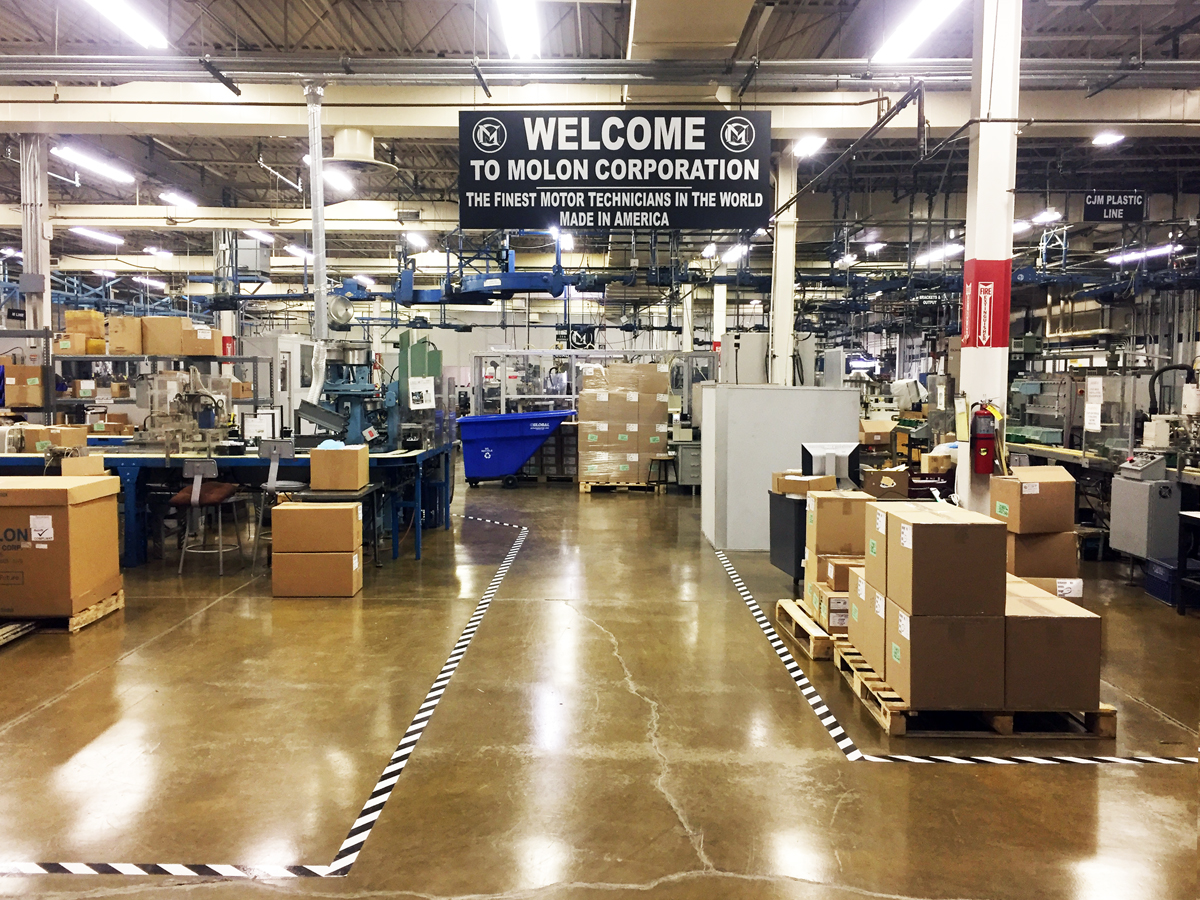
Purpose-built for outdoor HVAC dampers, commercial refrigeration augers, marine steering actuators, and chemical dispensing pumps exposed to high humidity and cleaning agents.
Get Catalog →As global supply chains realign and AI-driven automation accelerates, procurement managers are re-evaluating their motion control sourcing strategies. Based on research from Molon’s engineering and market intelligence units, four key trends will dominate BLDC planetary gearmotor procurement over the next decade:
Industrial facilities, commercial buildings, and mobile machinery are rapidly standardizing on 24VDC and 48VDC safety extra-low voltage (SELV) buses. Driven by worker safety regulations, battery energy storage systems (BESS), and solar integration, equipment designers are replacing line-voltage AC motors with high-efficiency BLDC planetary units. A 48V BLDC planetary gearmotor delivers equivalent shaft power to a fractional horsepower AC induction motor while dramatically reducing cable copper weight and eliminating shock hazards.
Procurement intent is shifting from purchasing isolated "dumb" motors to acquiring integrated drive nodes. Modern BLDC planetary gearmotors are increasingly specified with integrated magnetic high-resolution encoders, temperature monitoring thermistors, and vibration sensors directly on the internal PCB board. These sensors feed telemetry into fieldbus networks (CANopen, Modbus RS485, IO-Link), enabling predictive maintenance algorithms to detect gear tooth wear or bearing fatigue long before field failure occurs.
With the rise of autonomous mobile robots (AMRs), collaborative robot arms, and automated medical carts, demand for planetary gearheads with backlash below 15 arcminutes has surged. Advanced tooth profiling—such as crowned spur teeth and helical input stages—ensures smooth position interpolation, zero backlash under reversal, and silent operation in hospital or laboratory environments.
Geopolitical volatility and shipping bottlenecks have exposed the risks of relying on unverified overseas suppliers. Global OEM buyers now prioritize suppliers with regional manufacturing centers, vertical supply chain integration, and rigorous quality certifications (ISO 13485 for medical devices, ISO 9001 for industrial products). Domestic coil winding, in-house gear shaving, and 100% end-of-line electrical testing are now non-negotiable sourcing requirements.
Selecting the optimal BLDC planetary gearmotor requires more than matching RPM and torque outputs at nominal operating voltage. To ensure long-term reliability and avoid over-specifying cost, OEM engineering teams must evaluate six critical mechanical and electrical boundaries during the design phase:
Overhung load (OHL) refers to the radial force applied perpendicular to the output shaft, typically caused by drive belts, chain sprockets, or cantilevered loads. If the OHL exceeds the fatigue threshold of the gearhead output shaft bearings, premature shaft deflection, gear tooth misalignment, and oil seal rupture will occur. Molon engineers compute dynamic OHL using the formula:
OHL (N) = [ Torque (Nm) × 2000 × K_factor ] / [ Pitch Diameter of Drive Element (mm) ]
For applications with severe radial forces, Molon incorporates heavy-duty dual deep-groove ball bearings or needle roller bearings into the gearhead front flange.
The continuous torque rating of a BLDC gearmotor is constrained by the maximum allowable thermal rise of the stator winding insulation (typically Class B 130°C or Class F 155°C). Operating a gearmotor under continuous full load (S1 duty) requires substantial thermal headroom. However, in intermittent applications (S3/S6 duty)—such as medical valve actuation or door opening mechanisms—the gearmotor can safely deliver up to 250% of its nominal continuous torque for short bursts, provided the root-mean-square (RMS) thermal load remains within safe limits.
Gear backlash is the angular movement of the output shaft when the input shaft is fixed. In velocity-controlled applications (e.g., continuous liquid pumping), standard backlash of 1° to 2° (60 to 120 arcminutes) is acceptable. However, for bi-directional positioning, medical robotics, or optical targeting, low-backlash planetary stages (down to <10 arcminutes) utilizing precision-ground steel ring gears and preloaded planet carriers are essential.
Each planetary gear stage introduces mechanical friction through gear meshing and lubricant shearing. As a general rule of thumb:
Factoring efficiency losses into initial motor power calculations prevents unexpected thermal stalls during high-ratio operation.
Below are authoritative responses to the most frequent inquiries submitted by global OEM purchasing teams, component design engineers, and supply chain directors regarding BLDC planetary gearmotors.
BLDC planetary gearmotors provide three fundamental advantages over brushed PMDC parallel shaft drives:
To accurately compute radial load capacity under shock conditions, apply an application shock factor (K_shock between 1.25 for mild shock and 2.0 for heavy reversing shock) to your static overhung load calculation. Next, determine the position of the load relative to the shaft shoulder. If the load center sits beyond the standard midpoint of the output shaft, the bearing load increases proportionally. Molon provides application-specific OHL curves and can customize output shafts with upgraded ball bearing assemblies or hardened alloy steel to withstand extreme impact loads.
Get Catalog for bearing load capacity charts.
Efficiency losses stem primarily from gear sliding friction at the tooth mesh, viscous shearing of gear grease, shaft seal drag, and bearing rolling resistance. In multi-stage planetary gearboxes, each additional stage adds gear mesh contact points, reducing total mechanical transmission efficiency by approximately 5% to 8% per stage. Using high-grade synthetic synthetic greases, optimized tooth tooth profiles, and precision needle bearings on planet pins minimizes these parasitic losses.
Molon achieves whisper-quiet operation (<42 dBA) through advanced gear engineering and manufacturing controls:
As a custom engineering OEM manufacturer, Molon tailors virtually every motor component to your drawing specifications:
ISO 13485:2016 registration imposes strict medical-grade quality management, risk management (ISO 14971), robust change-control protocols, and complete material batch traceability. ISO 9001:2015 guarantees standardized quality management across all industrial production lines. For OEM buyers, this means zero unauthorized design changes, full raw material traceability, documented first-article inspections (PPAP), and consistent unit-to-unit performance over decadal product lifecycles.
Under rated continuous load conditions, a high-quality BLDC planetary gearhead achieves an operational life of 10,000 to 30,000 hours. Gear tooth fatigue is governed by bending stress at the tooth root (Lewis formula) and contact fatigue stress (Hertzian pressure) on the gear flank. Operating the gearhead within continuous torque limits, preventing thermal breakdown of lubricant, and avoiding unmitigated torsional shock loads ensure maximum fatigue life.
Choosing the right motor vendor is a strategic decision that directly impacts product field reliability, brand reputation, and long-term warranty liability. Since 1954, Molon Motor & Coil Corporation has stood at the forefront of fractional horsepower motor innovation in North America.
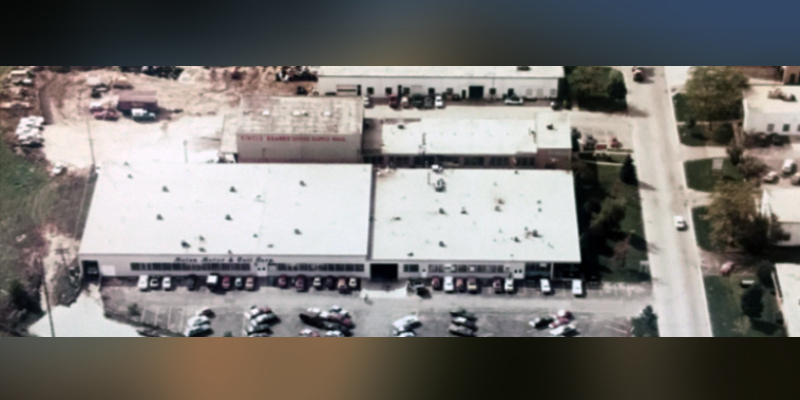
Founded by the Moloney family, Molon has continuously operated manufacturing facilities in Arlington Heights and Rolling Meadows, Illinois, USA. Unlike component brokers or offshore trading companies, Molon owns the complete engineering and manufacturing stack—from in-house stator winding and gear machining to automated robotic sub-assembly and 100% end-of-line electrical testing.
Our phrase "Quality Is Our Future" is not just a slogan; it is embedded in every engineering print, PPAP document, and production lot shipped to our global medical, commercial, and industrial OEM clients.
Control over stator lamination stamping, precision coil winding, and insulation insertion enables rapid custom electrical prototyping without long tooling delays.
Our quality system is registered to ISO 13485:2016 and ISO 9001:2015, ensuring stringent risk management, clean assembly, and full traceability for medical devices.
Every inquiry is paired directly with a senior Molon application engineer who reviews your torque-speed curves, overhung loads, thermal profile, and duty cycle limits.
| Capability Dimension | Molon Standard Practice | Standard Commodity Importers |
|---|---|---|
| Quality System Registration | ISO 9001:2015 & ISO 13485:2016 Registered | Uncertified or Basic ISO 9001 Only |
| Manufacturing Location | Arlington Heights & Rolling Meadows, IL, USA | Offshore Subcontracted Facilities |
| Revision & Engineering Control | Strict EC-Lock; Zero changes without approval | Unannounced vendor component substitutions |
| Custom Shaft & Gear Capability | In-house gear hobbing, shaping, and shaft machining | Limited to standard stock catalogs |
| Traceability & Documentation | Full lot-level material and electrical test records | Minimal documentation / No PPAP support |
Connect directly with our Illinois-based engineering team to evaluate your speed-torque curves, custom gear ratios, and envelope specifications. Access detailed product datasheets, CAD models, and technical catalogs instantly.
Phone (847) 253-6000 · Toll Free (800) 526-6867