Choosing Shaded Pole Electric Motors in 2026 requires more than comparing price, voltage, and catalogue size. The right choice depends on airflow, starting load, noise limits, duty cycle, and installation conditions. A motor that performs quietly in a refrigerator fan may struggle inside a dusty air curtain. Small details matter.
Dr. Austin Hughes, author of Electric Motors and Drives, states, “The motor must be selected to suit the load, and not the other way round.” This principle remains highly practical for engineers selecting Shaded Pole Electric Motors. Measure the real load before reviewing supplier claims. Check shaft direction, mounting dimensions, rated temperature, insulation class, and expected operating hours. Confirm whether the motor can start reliably against the connected fan blade or impeller.
The 2026 market also demands closer attention to efficiency, material traceability, acoustic performance, and regional compliance requirements. Shaded pole motors remain attractive because they are compact, simple, and economical for low-power applications. However, their modest efficiency can become expensive in continuous-duty equipment. That trade-off is easy to miss.
Look beyond the datasheet.
Ask manufacturers for test conditions, not only headline figures. Compare locked-rotor current, thermal rise, vibration, and lifetime evidence. A prototype test under real airflow is often more revealing than a polished brochure. No selection guide is perfect. Even experienced engineers can overlook ambient heat or restricted ventilation. This guide examines practical methods for choosing dependable Shaded Pole Electric Motors in 2026, while acknowledging that the cheapest motor is not always the most economical decision.
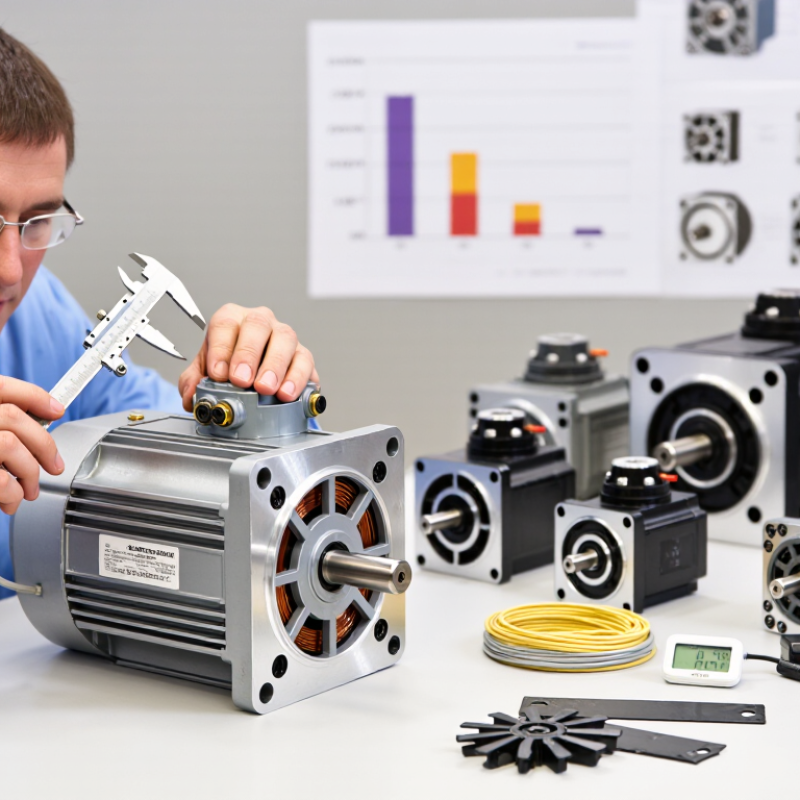
Understanding Shaded Pole Motor Design and Operating Principles
How to Choose Shaded Pole Electric Motors in 2026?
Understanding Shaded Pole Motor Design and Operating Principles
A shaded pole motor uses a simple stator with copper shading rings around part of each pole. When alternating current flows, the unshaded section builds magnetic flux first. The shaded section responds later. This delay creates a weak rotating magnetic field.
That field pulls the squirrel-cage rotor into motion. Direction is usually fixed by the shading ring position. These motors offer quiet operation, compact construction, and low manufacturing cost. Their starting torque is modest. Their efficiency is also lower than many modern motor designs. That matters in equipment running for long hours.
When choosing one in 2026, check voltage, frequency, speed, airflow, mounting space, and operating temperature. Match the motor to the actual load, not only the rated wattage. A small fan may start easily, while a stiff impeller may stall. I also measure startup current and surface temperature during a realistic test cycle. The design is reliable, but it is not universal. A datasheet can hide poor performance under dust, heat, or restricted airflow. Noise should be tested after installation, because surrounding panels can amplify vibration. Energy regulations and application requirements may also influence whether this older, practical design remains suitable.
Identifying Key Motor Specifications for Your Application
Choosing a shaded pole motor starts with the load, not the catalog title.
These motors suit small fans, vents, displays, and light-duty blowers with modest starting torque. Record the application’s voltage, frequency, rated speed, shaft direction, duty cycle, and available mounting space.
A 230 V, 50 Hz motor is not automatically suitable for a 120 V, 60 Hz system. Frequency changes can affect speed, heat, and noise.
Match the motor’s starting torque to the real load. A dirty fan grille or stiff bearing can demand more torque than laboratory testing shows. Check the torque-speed curve, not only the wattage. Measure the actual current after installation.
The International Energy Agency reports that electric motor systems consume roughly half of global electricity, so small efficiency differences can matter across thousands of units. The U.S. Department of Energy also identifies motor systems as major industrial energy users in its Improving Motor and Drive System Performance report.
Shaded pole designs are inexpensive and reliable, but their efficiency is commonly modest, often below that of higher-efficiency motor types. That trade-off may be acceptable for intermittent operation, but less so for continuous-duty equipment.
Review temperature rise, insulation class, ambient temperature, noise, vibration, and enclosure protection. Leave airflow around the housing. A compact motor placed beside a hot lamp may fail early.
Do not trust rated life blindly; bearing orientation and dust exposure can change results. In practice, selection is sometimes imperfect.
A motor that passes a bench test may struggle after months of contamination. Validate a sample under real load, including startup, stall risk, and the worst expected temperature.
Matching Motor Performance to Load, Speed, and Duty Requirements
How to Choose Shaded Pole Electric Motors in 2026?
Matching a shaded pole motor to the load starts with torque, not wattage.
These motors suit light loads with modest starting resistance. Typical applications include small fans, air vents, display coolers, and compact blowers. Measure both starting torque and running torque. A fan may start easily, while a tight damper may stall. That difference matters. Check the motor’s rated output, current, and expected temperature rise under real load conditions. A laboratory value can look attractive but fail inside a dusty enclosure.
Speed requirements need equal attention.
Shaded pole motors normally run at a fixed speed with noticeable slip. Their actual speed falls as load increases. Compare the required airflow or mechanical speed with the motor’s operating curve. Do not assume the synchronous speed is the delivered speed. If frequent speed adjustment is essential, this motor type may become inefficient, noisy, or unstable. Voltage reduction sometimes works for fan loads. It is not a universal control method.
Duty cycle also affects selection.
Continuous operation demands adequate cooling, reliable bearings, and insulation suited to the surrounding temperature. Intermittent loads may tolerate a smaller motor, but repeated starts still create heat. Field testing should include startup, stalled-load behavior, vibration, and several hours of operation. A neat spreadsheet can still mislead. I have seen designs pass basic calculations yet overheat behind a narrow grille. Leave thermal margin, verify the datasheet, and test the complete assembly rather than the motor alone.
Comparing Efficiency, Noise, Reliability, and Cost in 2026
How to Choose Shaded Pole Electric Motors in 2026?
Comparing Efficiency, Noise, Reliability, and Cost in 2026
Shaded pole motors remain useful for small fans, vents, timers, and low-power appliances. Their simple construction keeps purchase costs low. However, efficiency deserves closer attention in 2026. These motors often consume more electricity than electronically commutated alternatives. Check rated power, running hours, airflow, and electricity prices before choosing one.
Noise depends on more than the motor itself. A loose bracket can create buzzing through a thin metal panel. Dry bearings may add a rough, uneven sound. During testing, listen at startup and after thirty minutes of operation. Measure vibration if the application serves bedrooms, offices, or medical areas. Quiet enough is not always truly quiet.
Reliability usually comes from correct sizing and stable operating conditions. Leave space for cooling, protect the motor from dust, and avoid repeated overloads. Ask for temperature-rise data, insulation ratings, expected service life, and production test records. Low cost can become expensive when replacement labor interrupts equipment use. A spreadsheet may suggest the cheapest option. That assumption is often wrong. Also, efficiency labels and laboratory results may not represent a blocked vent or fluctuating voltage. Test a sample in the actual housing before approving large quantities. Small details matter.
How to Choose Shaded Pole Electric Motors in 2026? - Comparing Efficiency, Noise, Reliability, and Cost in 2026
Typical engineering ranges for single-phase shaded-pole motors in 2026. Actual performance depends on motor size, voltage, frequency, load, enclosure, bearing system, and operating temperature.
| Motor selection category |
Typical output power |
Typical efficiency |
Typical speed range |
Typical sound pressure |
Expected service life |
Relative unit cost |
Best-fit applications |
Main selection considerations |
| Micro low-power |
1–5 W |
15–25% |
1,100–3,000 rpm |
25–40 dB(A) |
15,000–30,000 h with sleeve bearings; higher with suitable ball bearings |
Very low |
Small ventilation fans, compact appliances, instrument cooling, light-duty air movement |
Choose for low initial cost and compact size, not for high energy efficiency or high starting torque. |
| Low-power general purpose |
5–15 W |
20–30% |
1,000–2,800 rpm |
30–45 dB(A) |
20,000–40,000 h under rated conditions |
Low |
Refrigerator and freezer fans, air purifiers, fan-coil units, small blowers |
Verify airflow and static pressure because efficiency decreases quickly when the motor is overloaded. |
| Medium-power appliance |
15–40 W |
25–35% |
900–2,600 rpm |
35–50 dB(A) |
20,000–50,000 h with correct thermal design |
Low to moderate |
HVAC circulation, condenser fans, display equipment, commercial refrigeration |
Use thermal protection and confirm locked-rotor behavior if the fan can stall or become blocked. |
| High-output shaded-pole |
40–100 W |
30–40% |
800–2,400 rpm |
40–55 dB(A) |
15,000–40,000 h, strongly dependent on temperature and bearings |
Moderate |
Larger blowers, cabinet cooling, refrigeration equipment, low-cost air-handling systems |
Consider a permanent-split-capacitor or electronically commutated motor when energy consumption is important. |
| Low-noise optimized design |
5–30 W |
20–32% |
900–2,500 rpm |
22–35 dB(A) |
25,000–50,000 h with balanced fan and appropriate bearings |
Moderate |
Bedroom appliances, office equipment, air cleaners, noise-sensitive ventilation |
Specify vibration limits, fan balance, mounting isolation, and measured dB(A) conditions—not motor noise alone. |
| High-reliability bearing design |
10–60 W |
22–36% |
900–2,700 rpm |
30–48 dB(A) |
40,000–80,000 h with ball bearings and controlled operating temperature |
Moderate to high |
Continuous-duty ventilation, equipment cooling, commercial appliances |
Ball bearings generally improve life in continuous-duty service, but can increase cost and audible bearing noise. |
| Alternative benchmark: electronically commutated motor |
10–100 W |
55–80% |
Variable, commonly 800–3,000 rpm |
25–45 dB(A) |
40,000–80,000 h depending on electronics and temperature |
High |
Continuous-duty systems, energy-regulated appliances, variable-speed ventilation |
Usually costs more initially but can reduce lifetime electricity use and provide speed control. |
Selection rule: A shaded-pole motor is most suitable when low purchase price, simple construction, compact size, and moderate noise are more important than energy efficiency, starting torque, or variable-speed control. For continuous operation, compare total cost of ownership rather than unit price alone.
Checking Suppliers, Safety Standards, and Long-Term Maintenance Needs
How to Choose Shaded Pole Electric Motors in 2026?
A reliable supplier should provide more than a low unit price. Request a complete datasheet, test records, material specifications, and production traceability. Check the supplier’s experience with your motor’s load, voltage, duty cycle, and operating temperature. A sample should match the approved drawing, including shaft size and mounting holes. Small differences can create costly vibration during installation.
Safety verification needs careful attention. Ask which IEC, UL, or national standards apply to the finished equipment, not only the motor. Confirm insulation class, temperature rise, dielectric strength, grounding, and protection against overheating. An integrated thermal protector may improve safety, but it does not replace correct system protection. Review IP ratings when dust or moisture is expected. Certificates deserve scrutiny. A document without a traceable test number is weak evidence.
Long-term maintenance is often underestimated. Inspect exposed motors for dust buildup, blocked ventilation, unusual noise, and rising surface temperature. Sealed bearings may require no added lubricant, while other designs need a defined lubrication schedule. Record operating hours and compare current draw during routine checks. This can reveal wear before failure. In my experience, the cheapest quote sometimes hides poor documentation or limited support. I have also seen maintenance plans become unrealistic because access was ignored during design. Leave service space around the motor, keep spare units in controlled storage, and confirm the supplier can provide replacement parts consistently.
How to Choose Shaded Pole Electric Motors in 2026?
Supplier due diligence, applicable safety standards, and long-term maintenance planning
Use this planning schedule when comparing shaded pole motor suppliers. Confirm the motor’s rated voltage,
frequency, temperature class, insulation system, protection rating, and test documentation before purchase.
IEC 60034-1 covers rotating electrical machine ratings and performance, IEC 60529 defines IP enclosure ratings,
and IEC 60335-1 may apply to household and similar electrical appliances. The inspection intervals shown are
practical planning references and should be adjusted according to the application, operating environment, and
supplier or equipment manufacturer instructions.
FAQS
Copper rings delay the magnetic field on part of each stator pole. This creates a weak rotating field that moves the squirrel-cage rotor.
It often suits small fans, vents, displays, and light-duty blowers. Best for modest loads.
Check voltage, frequency, speed, shaft direction, duty cycle, and mounting space. Also review temperature, noise, and enclosure protection.
No. Check the torque-speed curve and test the real load. A stiff impeller may stall even when its wattage appears suitable.
A motor rated for 230 V and 50 Hz may not suit a 120 V, 60 Hz supply. Frequency changes can affect speed, heat, and noise.
Their efficiency is often modest compared with higher-efficiency motor types. That trade-off may be acceptable for intermittent use, but less attractive during long operating hours.
Dust, blocked airflow, high ambient temperature, and poor bearing conditions can affect performance. Leave space around the housing, especially near a hot lamp.
Run a sample under realistic load and expected temperatures. Measure startup current and surface temperature; bench results can miss problems that appear later.
Conclusion
Choosing Shaded Pole Electric Motors in 2026 requires a clear understanding of their simple construction, rotating magnetic field, and operating principles. Start by identifying the required voltage, power, torque, speed, frame size, mounting method, and environmental conditions. Because these motors are generally best suited to low-power applications, their performance should be matched carefully to the load, starting requirements, operating cycle, and expected service life. Avoid selecting a motor based on speed alone; confirm that it can operate reliably under the real mechanical load.
A practical comparison should include efficiency, operating temperature, noise, vibration, reliability, purchase cost, and long-term energy consumption. Although a lower-cost motor may be suitable for light-duty equipment, a more efficient option can provide better value over time. Buyers should also evaluate supplier consistency, product documentation, electrical safety certifications, protective features, warranty support, replacement availability, and maintenance requirements. By balancing technical specifications, performance expectations, safety needs, and lifecycle cost, users can select a dependable shaded pole motor for their 2026 application.