
Executive Overview: Precision Motor Engineering & Strategic Sourcing
In the modern landscape of high-precision electromechanical engineering, selecting the optimal electric motor platform is no longer merely a procurement transaction—it is a foundational architectural decision. As industrial automation, autonomous mobile robots (AMR), unmanned aerial vehicles (UAVs), medical devices, and smart HVAC system requirements grow increasingly stringent, equipment manufacturers (OEMs) demand higher power density, sub-micron positioning accuracy, exceptional thermal efficiency, and unyielding long-term reliability.
As a global leader and premier China precision motors factory and supplier, our engineering ecosystem operates under strict quality management frameworks including ISO 9001:2015 and ISO 13485:2016. By unifying magnetic circuit simulation, automated stator winding, dynamic rotor balancing, and in-house gear geometry cutting, we bridge the gap between custom prototyping and high-volume OEM delivery.
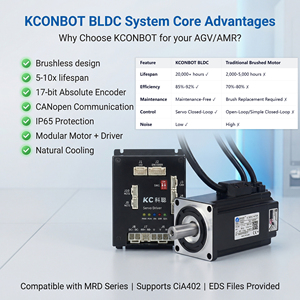
Information Gain Insight: The transition from traditional brushed electromechanical assemblies to high-frequency Brushless DC (BLDC), Permanent Magnet Synchronous Motors (PMSM), and micro-step piezo drives yields an average 35% reduction in power consumption while extending operational lifespan (MTBF) past 20,000 continuous operating hours.
The Anatomy of High-Precision Motor Manufacturing
Every motor engineered within our production ecosystem undergoes rigorous design validation. Fractional Horsepower (FHP) gearmotors and high-torque servo units rely on carefully specified copper wire insulation (Class F and Class H rating), high-permeability neodymium iron boron (NdFeB) permanent magnets, and low-loss silicon steel laminations. Precision winding minimizes copper resistance losses ($I^2R$), directly translating to higher torque constants ($K_t$) and lower heat dissipation.
Furthermore, our integrated gearheads—spanning parallel shaft, planetary, and right-angle configurations—are precision-ground to minimize backlash to under 3 arc-minutes for robotic positioning systems. This level of mechanical control guarantees smooth operation, reduced acoustic noise under 45 dB(A), and zero slip in demanding dynamic load applications.
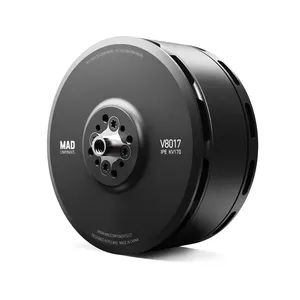
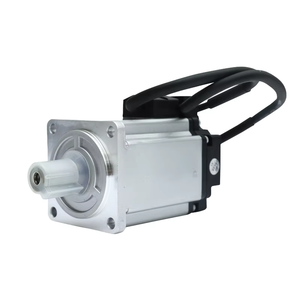
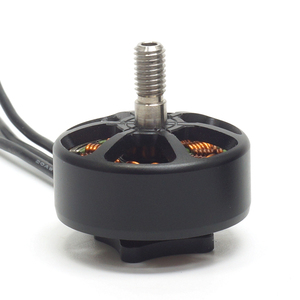
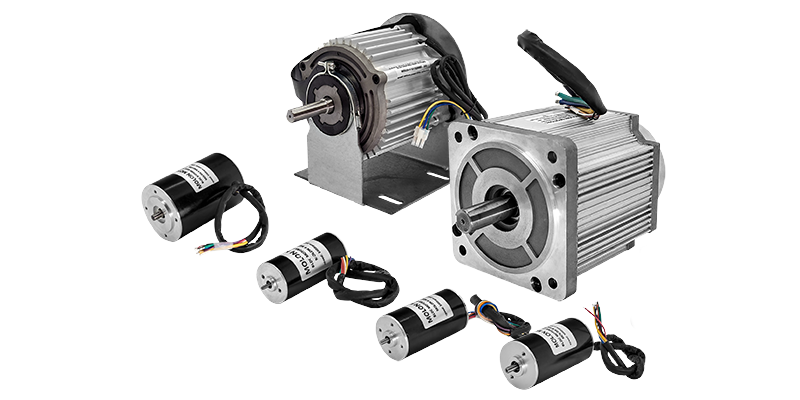 Figure 1: High-Density Brushless DC (BLDC) and Permanent Magnet Motor Platform Range
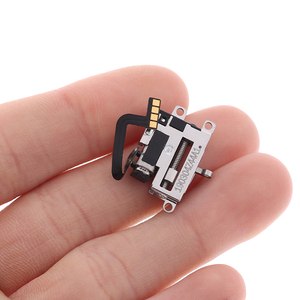
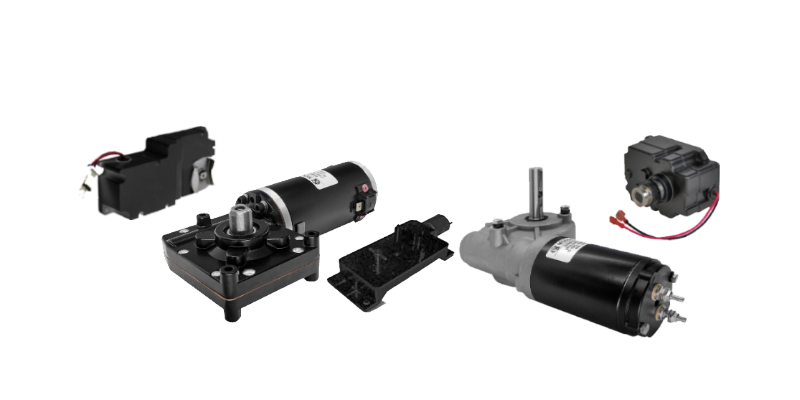 Figure 2: Compact Permanent Magnet DC Right Angle Actuator Family
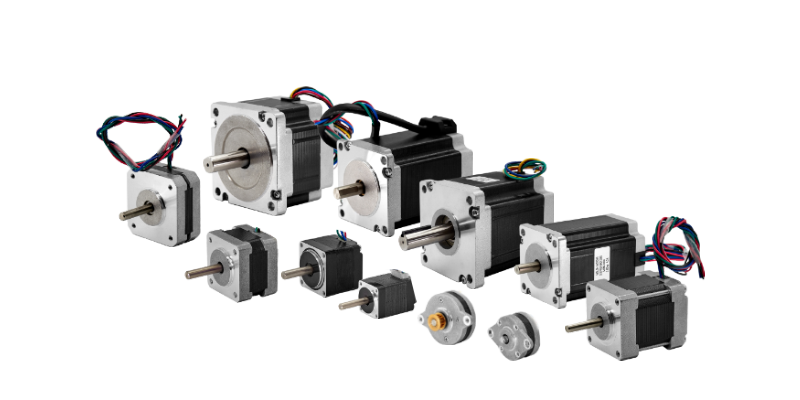 Figure 3: Hybrid Stepper Motor and Planetary Gearhead Assemblies