PHONE: (847) 253-6000
TOLL FREE: (800) 52-MOTOR

Precision-engineered AC, PMSM, micro-gear, and brake synchronous motors for global OEM equipment.
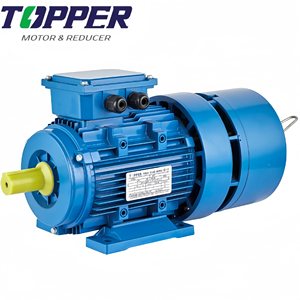
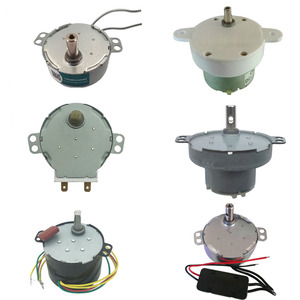
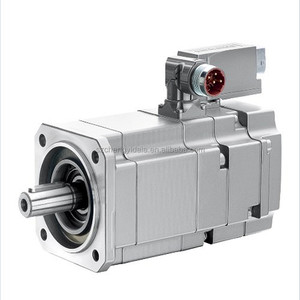
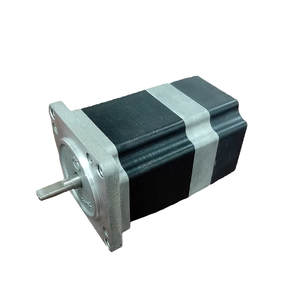
In modern industrial automation, HVAC/R systems, medical pumps, commercial refrigeration, and heavy machinery, Synchronous Motors represent the benchmark for exact speed stability, operational efficiency, and spatial power density. Unlike asynchronous induction motors where shaft speed lags behind the stator electromagnetic field by a slip margin ($\Delta n = n_s - n$), a synchronous electric motor runs at an exact zero-slip velocity ($n_s = 120f / p$, where $f$ is line frequency and $p$ is magnetic pole count). This precise electromagnetic lock guarantees constant output RPM regardless of fluctuating load profiles, right up to the motor's pull-out torque rating.
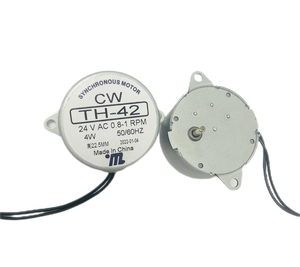
As leading China Wholesale Synchronous Motors Factories & Exporters, our manufacturing ecosystems synthesize traditional American motor-building heritage with high-throughput advanced automated assembly lines. Our product lines encompass fractional horsepower (FHP) single-phase AC synchronous micro-gearmotors (such as the TYC-50 and 50KTYZ series), line-start permanent magnet synchronous motors (LSPMSM), three-phase high-torque industrial PMSM drives, and electromagnetic-brake variable-pole machines.
Understanding the internal magnetic topology is essential for OEM procurement engineers when selecting the optimal motor architecture:
Utilizes surface-mounted or interior permanent magnets on the rotor to establish constant excitation flux without slip rings or field winding losses, maximizing torque-per-ampere ratio.
Operates via magnetic hysteresis lag or magnetic reluctance salience in the rotor structure. Delivers ultra-smooth, ripple-free rotation ideal for medical pumps, audio turntables, and timing devices.
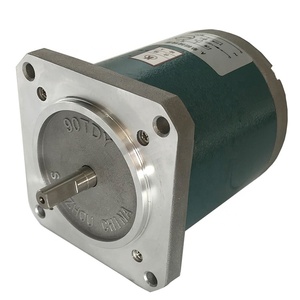
Combines multi-tooth stator structures with high gear reduction (e.g., 90TDY series) to deliver low RPM (60 to 72 RPM at 50/60Hz) direct-drive holding torque without needing pulse-width drivers.
Below is an engineering comparison matrix designed to assist OEM buyers, system integrators, and industrial distributors in sourcing the correct synchronous drive technology based on operational criteria:
| Motor Series / Type | Supply Voltage & Freq. | Speed Range (RPM) | Torque & Power Output | Protection Class | Target OEM Applications |
|---|---|---|---|---|---|
| TYC-50 / 50KTYZ Series AC Micro Gear |
5V - 240V AC, 50/60 Hz | 0.8 to 60 RPM | 0.5 Nm - 5.0 Nm (Gearing) | IP40 - IP54 | Microwave dampers, fan swing systems, valve actuators, medical display turntables. |
| 90TDY4 Permanent Magnet Slow Speed Synchronous |
110V / 220V AC, 50/60 Hz | 60 / 72 RPM (Direct) | 1.8 Nm - 4.5 Nm | IP44 - IP55 | Auto-welding positioners, peristaltic dosing pumps, valve controls, indexing drives. |
| YEJ2 Electromagnetic Brake 3-Phase Variable Pole |
380V - 460V AC, 3-Phase | 750 - 3000 RPM | 0.75 kW - 18.5 kW | IP55 Drip-Proof | Hoists, automated cranes, packaging conveyors, machine tools requiring rapid dynamic stopping. |
| IP55 High Torque PMSM Industrial Servo Drive |
220V / 380V / 480V AC | 100 - 4500 RPM | 1.5 kW - 110 kW | IP55 / IP65 Washdown | Extruders, commercial ice machine augers, HVAC fans, electric vehicles, industrial pumps. |
| 1FK7 / S-1FK7 Generation Precision Servo |
300V - 600V DC Bus | 2000 - 6000 RPM | 3.0 Nm - 36.0 Nm Peak | IP64 - IP67 | CNC multi-axis milling, automated robotics, packaging machinery, high-speed pick-and-place. |
As global regulatory frameworks like the EU Ecodesign Directive (IE4/IE5 efficiency compliance) and US Department of Energy (DOE) electric motor standards enforce stricter energy performance requirements, the global procurement landscape for synchronous motors is undergoing a structural transformation. B2B buyers and OEM engineers must navigate several emerging procurement trends:
Given global supply chain volatility in rare-earth metals (Neodymium and Dysprosium), leading Chinese exporters are investing heavily in advanced Ferrite-assisted Synchronous Reluctance Motors (Fe-SynRM) and grain-boundary-diffused NdFeB alloys. This technological refinement maintains high torque density while shielding global buyers from raw material cost spikes.
High-pole count permanent magnet synchronous motors are increasingly deployed as direct-drive torque motors. By eliminating backlash-prone mechanical gear trains, direct-drive PMSM configurations dramatically reduce maintenance overhead, lower acoustic noise levels below 45 dB, and eliminate gear oil contamination risks in food-zone and medical device environments.
Modern wholesale procurement contracts favor synchronous motors equipped with integrated Variable Frequency Drives (VFD) and smart sensorless control firmware. By utilizing high-frequency Back-EMF tracking algorithms, modern drives achieve precise torque regulation at zero speed without requiring fragile optical shaft encoders.
Leading OEM buyers now audit suppliers for sustainable manufacturing practices. Our production facilities emphasize non-toxic solventless insulation varnishes, modular mechanical tear-down design for easy copper coil extraction, and compliance with RoHS 3.0 and REACH environmental standards.
The synchronous motor industry is experiencing rapid technological convergence driven by material science innovations, power electronics advancements, and computerized Finite Element Analysis (FEA) design tools.
Adoption of 0.2mm to 0.35mm ultra-thin silicon steel laminations coated with organic insulation reduces high-frequency eddy current losses, allowing motor efficiency optimization up to 400Hz operating speeds.
With inverter electronics transitioning to Silicon Carbide (SiC) and Gallium Nitride (GaN) MOSFETs, motor insulation systems are re-engineered with corona-resistant magnet wire to withstand high $dV/dt$ voltage spikes.
Automated fractional-slot concentrated winding (FSCW) machines allow slot fill factors to exceed 65%, drastically decreasing copper resistance ($I^2R$) losses while shrinking physical motor length by up to 30%.
Furthermore, thermal management innovations such as direct stator oil-cooling channels and ceramic potting encapsulation allow synchronous motors to operate reliably under extreme ambient conditions, ranging from food freezing units (-40°C) to high-temperature industrial baking ovens (+120°C).
Building upon over seven decades of motor manufacturing legacy, our facilities represent the pinnacle of vertically integrated electromechanical engineering. From initial electromagnetic simulation (ANSYS Maxwell) to final end-of-line computer-automated test benches, every synchronous drive is built to exact customer specifications.
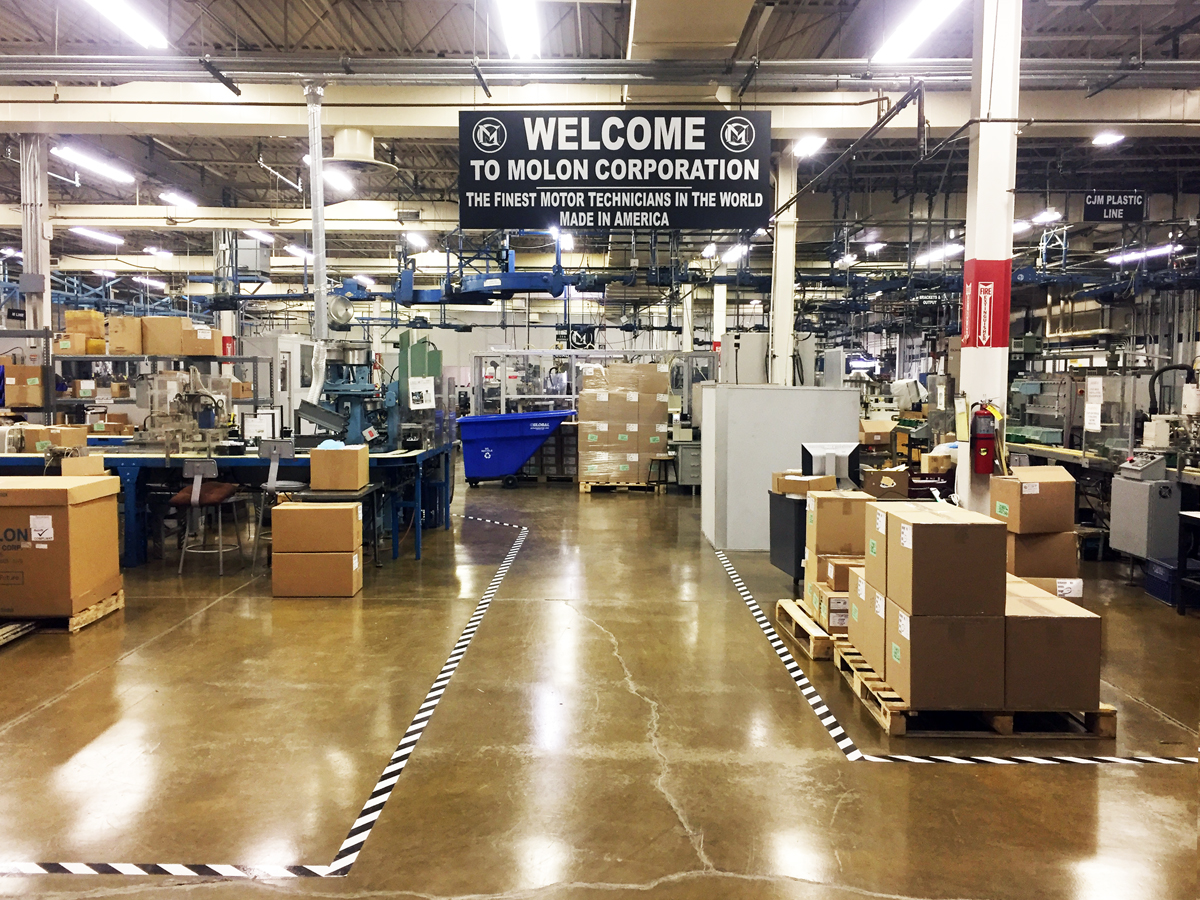
Our manufacturing infrastructure features two dedicated production facilities with over 150,000 square feet of floor space, housing automated coil winding machinery, rotor dynamic balancing rigs, high-precision gear hobbing centers, and climate-controlled cleanroom assembly bays.
Custom Engineering Modifications Include:


Below are authoritative responses to the most common engineering and commercial questions raised by international OEM purchasers during motor selection and sourcing: